Meet the Generation That Runs the Market
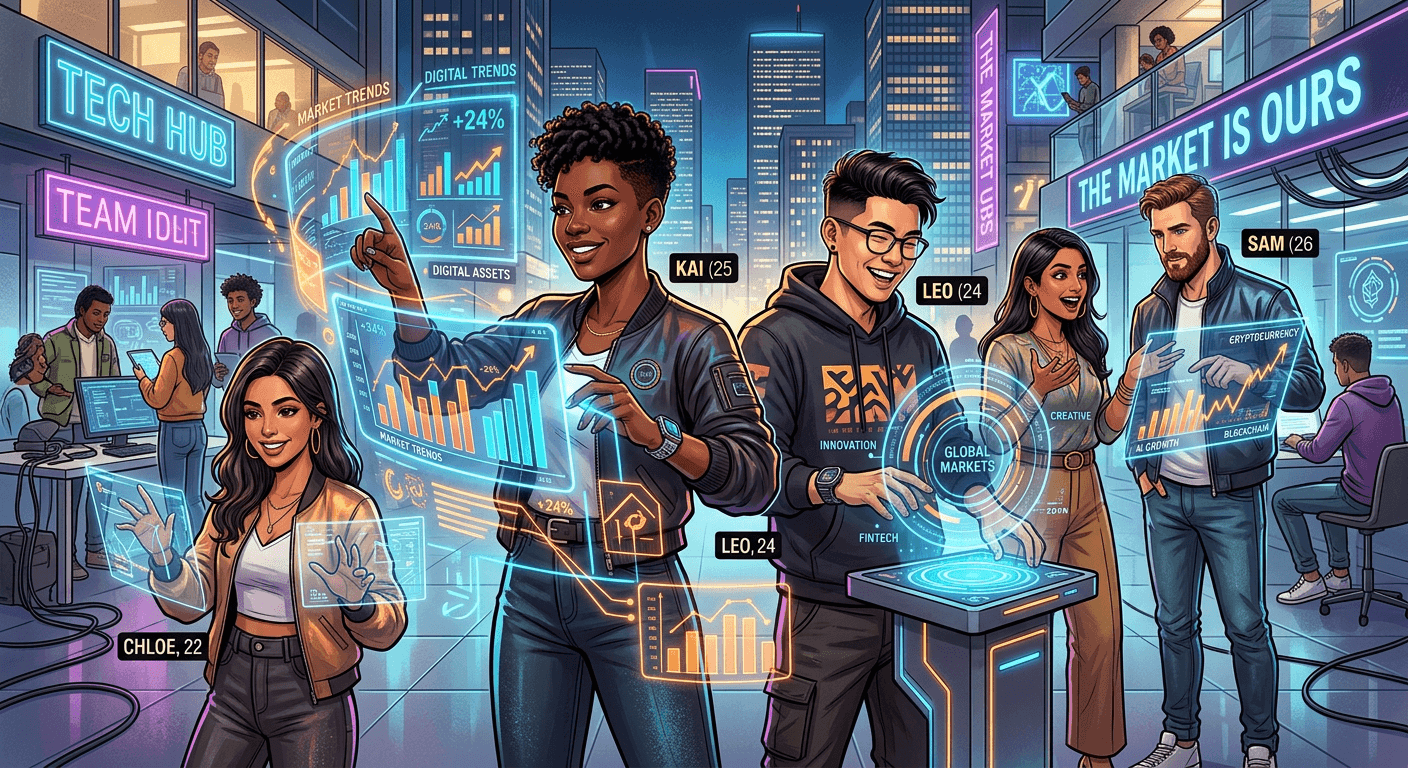
Meet the Generation That Runs the Market
Genz — The Market Leaders
Picture this: A skincare brand spends crores on a celebrity campaign. It flops. Meanwhile, a 19-year-old posts a 30-second reel reviewing their competitor's product — and it sells out in 48 hours.
That's not a fluke. That's Gen Z (born roughly 1997–2012) in action. With a combined spending power of over $360 billion globally, this generation is not just a target audience — they are the audience that determines what's relevant, what's real, and what's trash.
1. The Death of the Traditional Ad
Gen Z grew up on the internet. They installed ad blockers before they could drive. They can smell a scripted brand message from a mile away — and they will scroll past it without blinking.
What works instead? Raw, unfiltered content. A founder talking into their phone. A customer unboxing something in bad lighting. A brand replying to a comment with actual humour.
Authenticity isn't a strategy for Gen Z. It's the bare minimum entry ticket. Get it wrong, and no ad budget will save you.
"Some brands like Zomato, Duolingo, and Nykaa India have figured it out — scroll through their social media and it actually feels like a human being is behind it. That doesn't just happen."
2. Social Media IS the Store
For older generations, social media was where you discovered products. For Gen Z, it's where they buy them. Instagram shops, YouTube Shorts with swipe-up links, live shopping on apps — the line between content and commerce has completely dissolved.
- Reels-to-purchase: A product shown in a reel can sell out before the brand even knows it went viral
- Peer reviews over ads: Gen Z trusts a comment from a stranger over a celebrity endorsement
- Micro-influencers win: A creator with 20K followers often converts better than one with 2 million
- Short-form is king: If your product can't be explained in under 60 seconds, you've already lost
3. Values Over Vibes
Gen Z will not separate a brand's product from its values. They want to know — does this brand care about the environment? Are their workers treated fairly? Do they speak up on issues that matter?
This isn't performative for Gen Z. They research. They dig. And if they find that your 'eco-friendly' claim is just green packaging over a non-sustainable supply chain — they'll post about it.
Brands already responding to this shift:
- Mamaearth
- The Souled Store
- Lush Cosmetics
- Patagonia
- Bewakoof
- Bombay Shaving Co.
4. The Dupe Economy Is Real
Gen Z loves quality — but they're also smart with money. If they can get the same result for less, they will. And they'll proudly post about it.
This is called "dupe culture." A dupe is simply a cheaper version of an expensive product that works just as well. Gen Z finds them, tests them, and shares them with thousands of followers. One viral video can pull customers away from a brand that took years to build.
Big brands are feeling this the most. A name that once sold itself is now being compared side-by-side with a budget alternative on Instagram — and sometimes losing.
So what can brands do? It really comes down to two things — either clearly explain why your product is worth the price, or make buying from you feel so special that no cheap copy can replace it.
Because at the end of the day, Gen Z will always find the dupe. The question is whether your brand gives them a reason not to care.
5. Cancel Culture Has a Balance Sheet
One wrong post. One bad campaign. One controversial founder statement — and Gen Z will stop buying from you and tell everyone else to do the same. It can happen within hours.
This is called getting "cancelled." And for brands, it can be very damaging very fast.
But here's the other side of it —
If a brand owns its mistakes, stands for something real, and actually listens to its customers — Gen Z will have its back. They'll defend it in comment sections. They'll recommend it to their friends. They'll make content supporting it. All for free.
So cancel culture isn't just a threat. It's also an opportunity.
- Do the wrong thing — and thousands of people become your critics overnight
- Do the right thing — and those same thousands become your biggest supporters
With Gen Z, your brand's reputation is always just one moment away from going either direction. The brands that understand this don't just avoid mistakes — they actively work to earn trust every single day.
6. Community Is the New Loyalty Program
Forget point systems and birthday discounts. Gen Z wants to feel like they're part of the brand. They want behind-the-scenes content. They want to be asked for their opinions on new launches. They want to co-create.
Brands that build communities — Discord servers, Reddit threads, brand fan accounts they actually engage with — are building something far more valuable than a customer list. They're building advocates.
So, What Does This Mean for Brands?
The rules have changed. The brands that understand Gen Z don't just adjust their marketing — they rebuild how they operate, speak, and stand for something. The ones that don't? They become irrelevant quietly, then suddenly.
Gen Z doesn't need brands. Brands need Gen Z. And that shift in power? It's only getting bigger.